
Anxiety Therapy in Lancaster, PA
Has Anxiety Become Overwhelming In Your Life?
Do you feel anxious about many of the situations you encounter in life; like any little thing can feel like too much?
Is tension and irritability making your daily routine a struggle?
Are your thoughts constantly racing so you have trouble relaxing or staying asleep?
You might know you have anxiety, or perhaps you are curious if what you are experiencing are symptoms of generalized anxiety disorder. Do you wonder if therapy can help you understand what you are going through and manage your anxiety symptoms?
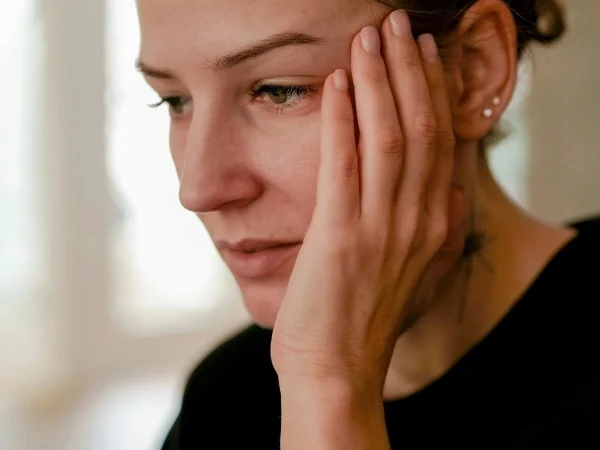
Anxiety Creates Physical And Mental Turmoil
Sometimes, it can be hard to simply get out of bed and face the day. When you’re always worrying and on edge, you may feel unable to control your thoughts, feelings, or responses. This mental strain can also lead to physical stress, including trouble with breathing, chest tightness, a racing heart, stomach pain, or lightheadedness.
With an impending sense of doom, you may feel like bad things are always going to happen. Maybe you are afraid you will fail at work, school, or with relationships. You may constantly ruminate about conversations or situations that happened in the past, unable to figure out a way to move forward.
At the end of the day, you may worry you didn't do enough, didn't fulfill your obligations well enough, and are already running through tomorrow's worries. But you don’t have to continue living with this same cycle, as therapy can help you regain control of the effects anxiety has had on your life, giving you freedom and a renewed sense of self.
Reach Out With Any Questions
Anxiety Has Many Roots, And None Of Them Mean Something Is “Wrong” With You
Anxiety rarely appears without context. For some, there may be a biological aspect, like an inherited tendency for the nervous system to respond more intensely to stress. Or it may have developed due to an unstable environment.
Having a childhood that felt unpredictable, high-pressure, or emotionally demanding can lead to patterns of vigilance, overthinking, or self-protection in adulthood. In addition, everyday stressors can accumulate over time.
Major life transitions, relationship strain, academic or professional demands, financial pressure, or social expectations can all contribute to heightened anxiety that counseling could address. Experiences such as criticism, bullying, or feeling unprepared for adult responsibilities may reinforce the sense that something could go wrong at any moment. From this perspective, anxiety is not random but is often an understandable response to both past and present circumstances.

Why Anxiety Can Be Difficult To Break On Our Own
Anxiety becomes a disorder when one’s worries have consistently interfered with their daily life and functioning, but evidence-based treatments are very effective at managing it. When anxiety becomes persistent, it can also shape the ways we try to cope with it. We may avoid situations, distract ourselves with screens, or withdraw to get temporary relief. While these strategies can reduce discomfort in the short term, they often prevent true emotional and mental recovery, creating a cycle that is difficult to interrupt.
Negative thinking patterns like social comparison can deepen a sense of inadequacy, and anxiety can begin to feel protective, so reaching out for treatment to help reduce it could seem risky. But seeing a counselor can help you understand the origins of your anxiety, shift unhelpful coping strategies, and develop a more sustainable sense of confidence, balance, and emotional resilience.
How Anxiety Therapy Can Help You Reclaim Your Life

I provide therapy for individuals ages 16 and older, offering a supportive space to better understand your anxiety. Through our work together, you can gain clarity, reduce overwhelm, and reconnect with a more grounded and steady version of yourself that your anxiety may have been overshadowing.
Our first step in counseling is developing a clear understanding of what is fueling your anxiety. This could include current stressors such as family dynamics, social pressures, or environmental demands, as well as earlier life experiences that shaped how you respond to uncertainty. We may explore formative relationships, expectations placed on you, and the impact of past experiences, including trauma or loss. Biological factors, such as genetics, may also play a role.
From there, we will identify how anxiety is most affecting your daily life, whether it’s social factors or physical symptoms of a mild or severe anxiety disorder, and establish meaningful, realistic goals for therapy. Along the way, I will help you understand both the physical and psychological processes involved in anxiety, while supporting you in developing a greater sense of control over your mind and body.
Practical Tools To Interrupt Anxiety And Restore Balance
As an anxiety therapist, I incorporate evidence-based approaches, including cognitive-behavioral therapy (CBT), to help you better understand the connection between your thoughts, feelings, and behaviors. Together, we will work to identify patterns that sustain anxiety and develop strategies to shift them.
This process typically involves teaching you how to reframe unhelpful thinking, respond more effectively to stress, and approach life transitions with greater confidence. We will also focus on building skills that support long-term resilience, such as setting healthy boundaries, making decisions with greater clarity, and managing moments of overwhelm more effectively.
You will have a chance to learn mindfulness-based techniques and grounding practices in counseling that are highly effective for managing anxiety disorders as well. This includes breathing exercises and attention training that can help regulate your nervous system and reduce the intensity of physical symptoms. You will learn what truly allows you to rest and recharge, while strengthening your ability to navigate emotional experiences with greater stability.
Moving Toward A More Steady And Fulfilling Life
Therapy is not about eliminating anxiety altogether, but about transforming your relationship with it. Instead of feeling controlled by worry or fear, you can learn to respond with greater awareness, flexibility, and confidence.
Over time, you may notice a shift in that you feel more capable of handling stress, less caught up in cycles of overthinking, and more present in your day-to-day life. Rather than being consumed by what might happen next, you can begin to experience a greater sense of calm, clarity, and connection to the life you want to live.
You Might Still Have Questions Or Concerns About Anxiety Therapy…
-
If you have gone to counseling in the past and felt like it didn’t help you, you might be nervous to try again. There are many reasons why anxiety therapy might not have been helpful for you before now, and we can explore your previous attempts at resolving your anxiety together.
I am confident that we can find strategies that will work for you. I've worked with a lot of people with anxiety, and there are personalized methods we can use to understand your specific experience with anxiety, what is causing it, and what we can do to change it.
-
Talking about hard things can be a scary proposition. While it can be difficult to face your anxiety head-on in therapy, it is the path to freeing yourself from the grip your symptoms have had on you.
There might be topics you feel more anxious discussing out loud, because you may not have shared details about them before, but this feeling is temporary. It's also true that the less we face and deal with our anxiety and fears, the bigger they become, even if we're not always consciously aware of them.
-
Life is busy, and fitting in one more thing can feel hard or even impossible. But being motivated to come to therapy and discuss sensitive topics related to your anxiety is important, and an indication that deep down you really do want to put forth the effort to shift things in a positive direction.
Prioritizing your well-being is an important aspect of finding true healing and mental stability. I know you want to feel better, and that is going to happen more quickly if therapy is consistent.
You Don’t Have To Continue Living With Anxiety In Control
Reach out for a free, 15-minute consultation to find out more about my therapy practice and how I can help you understand your anxiety, manage your symptoms, and reclaim your peace.
Recent Anxiety Therapy Blog Posts